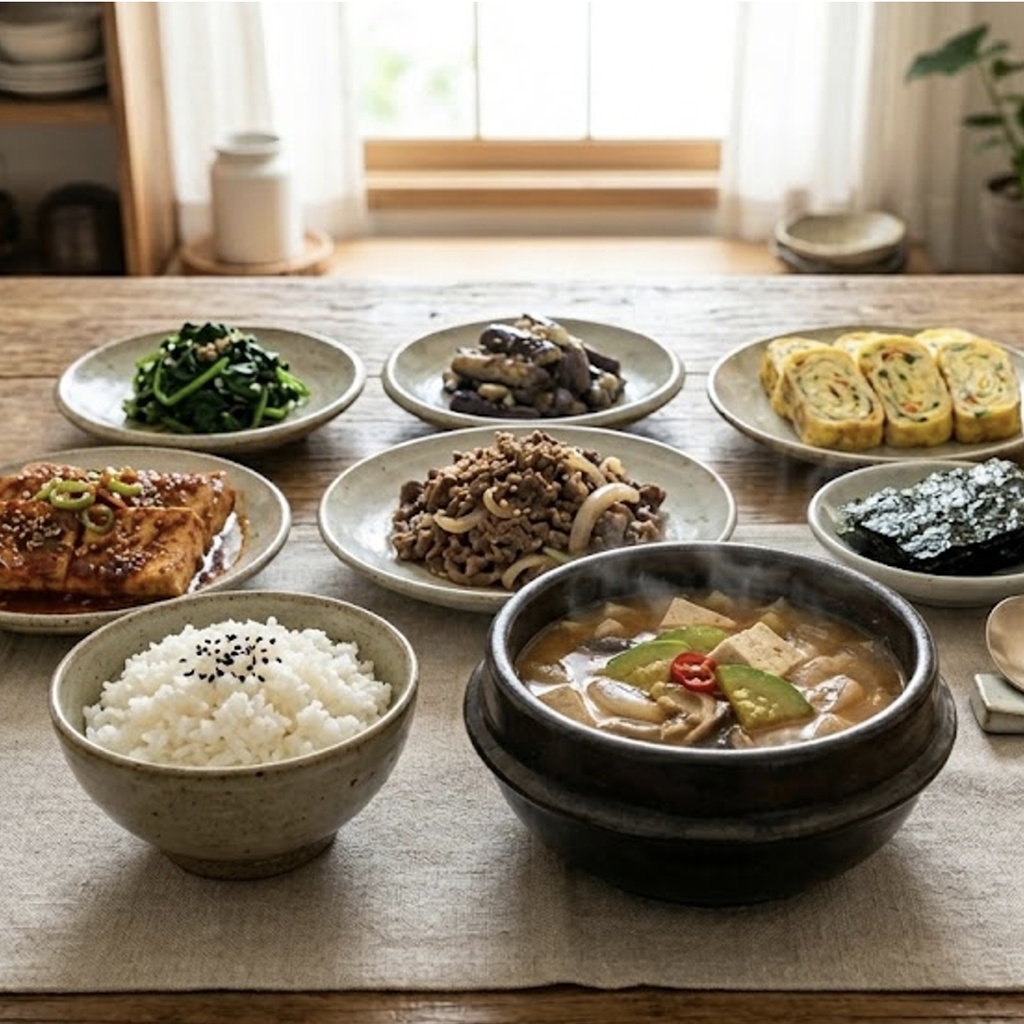
The Korean Home Table: Eomma-Bapsang
The true heart of Korean culinary identity is the bapsang (dining table).


Instructor
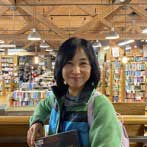
Kate is a passionate cook and first-generation Korean immigrant who brings the warmth and authenticity of her family’s kitchen in Yeongwol, South Korea, to every dish she creates. Growing up with grandparents who owned a local restaurant, Kate learned the foundations of Korean cooking from an early age, mastering traditional recipes and techniques that have been passed down through generations. Her culinary journey began in her family’s bustling kitchen, where she gained hands-on experience with the bold flavors and vibrant colors of Korean cuisine. In Kate’s classes, you’ll learn not only how to cook authentic Korean dishes but also the cultural significance and family traditions behind them. Whether you’re a seasoned cook or a beginner, Kate’s warm teaching style and expert guidance will inspire you to bring a taste of Korea into your own kitchen.

Related Events
Check out other events you might be interested in!

Teen Night
Teens (grades 7-12) gather for a free evening of art, friends, and creativity (registration opens at noon April 30).
May 14, 2027
Teen Night
Teens (grades 7-12) gather for a free evening of art, friends, and creativity (registration opens at noon April 9).
April 23, 2027
Teen Night
Teens (grades 7-12) gather for a free evening of art, friends, and creativity (registration opens at noon Feb. 26).
March 12, 2027